Manufacturers heading into 2026 are preparing for an economic landscape that looks steady on the surface but complicated underneath. That was the message from economists and industry analysts at the Women in Manufacturing Summit, where leaders from CLA and other organizations laid out what they see coming next. Their outlook was not gloomy, but it was clear-eyed. Growth is expected to continue, but at a slower pace. Costs are stabilizing but not falling. Labor shortages are easing, but nowhere near resolved. And the companies that plan will be the ones that stay competitive.
The biggest theme was moderation. After several years of rapid swings driven by supply chain shocks, inflation spikes, and aggressive interest rate hikes, the economy is settling into a more predictable rhythm. Consumer spending remains solid, business investment is steady, and manufacturing output is holding its ground. But the days of double-digit growth in certain sectors are behind us for now. Economists expect GDP to expand at a modest pace, and they warned that manufacturers should not count on a surge in demand to solve operational challenges.
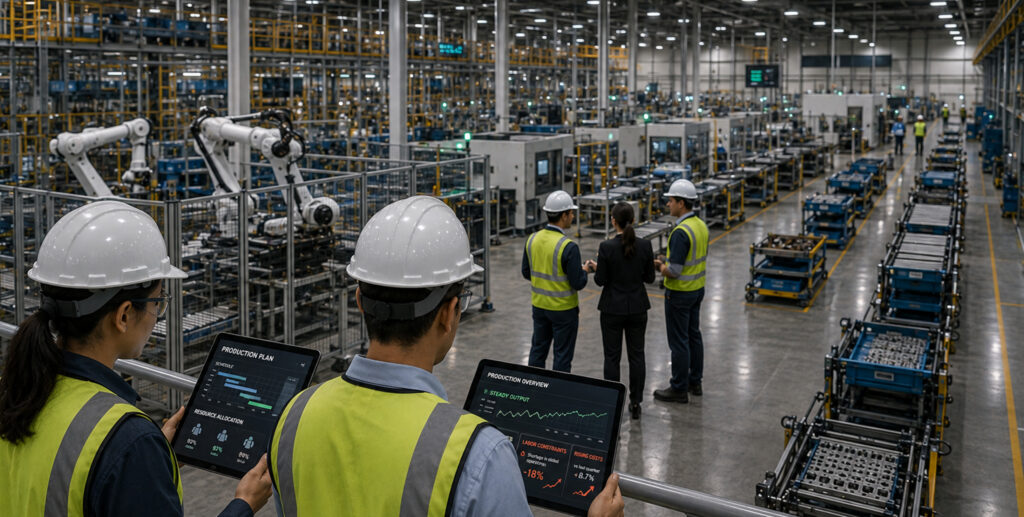
Labor remains the defining constraint. Even with more people returning to the workforce, manufacturers continue to struggle to fill skilled roles. Retirements are accelerating, training pipelines are not keeping up, and younger workers are still hesitant to enter industrial careers. CLA analysts noted that many companies are carrying open positions for months, forcing them to rely on overtime, temporary labor, or automation to maintain production. Wage pressure is expected to continue, especially for technicians, machinists, and maintenance specialists.
Costs are another sticking point. Inflation has cooled, but it has not disappeared. Input prices for metals, components, and transportation have stabilized but remain well above pre-pandemic levels. Energy costs are unpredictable, and insurance premiums have climbed sharply. Manufacturers are learning to operate in an environment where “normal” means higher baseline costs and tighter margins. The companies that succeed will be the ones that build cost discipline into their planning rather than waiting for relief that may not come.
Supply chains are in better shape than they were two years ago, but vulnerabilities remain. Geopolitical tensions, shipping disruptions, and material shortages continue to create pockets of risk. Many manufacturers are diversifying suppliers, increasing safety stock, or reshoring production to reduce exposure. CLA’s analysts emphasized that supply chain resilience is no longer a strategic option. It is a requirement for operational stability.
Technology investment is becoming a critical differentiator. Automation, robotics, and artificial intelligence are helping companies offset labor shortages, improve quality, and reduce downtime. But the gap between early adopters and late movers is widening. Companies that have already integrated digital tools into their operations are seeing measurable gains in productivity and cost control. Those who are still relying on manual processes are finding it harder to keep up. The next two years will likely determine which manufacturers pull ahead and which ones fall behind.
Despite the challenges, the outlook is not negative. Demand for American-manufactured goods remains strong. Federal incentives for energy, infrastructure, and semiconductor projects are driving new investment. Reshoring continues to gain momentum as companies prioritize reliability over low-cost sourcing. And many manufacturers are using this period of slower growth to strengthen their foundations, modernize operations, and build more resilient organizations.
The message from the summit was simple. The economy is not heading into a downturn, but it is entering a more disciplined phase. Manufacturers that plan carefully, invest strategically, and stay flexible will navigate 2026 with confidence. Those who wait for conditions to improve may find themselves playing catch-up in a market that rewards preparedness more than optimism.
 Spotify
 Apple Podcasts
 Podbean
 YouTube