
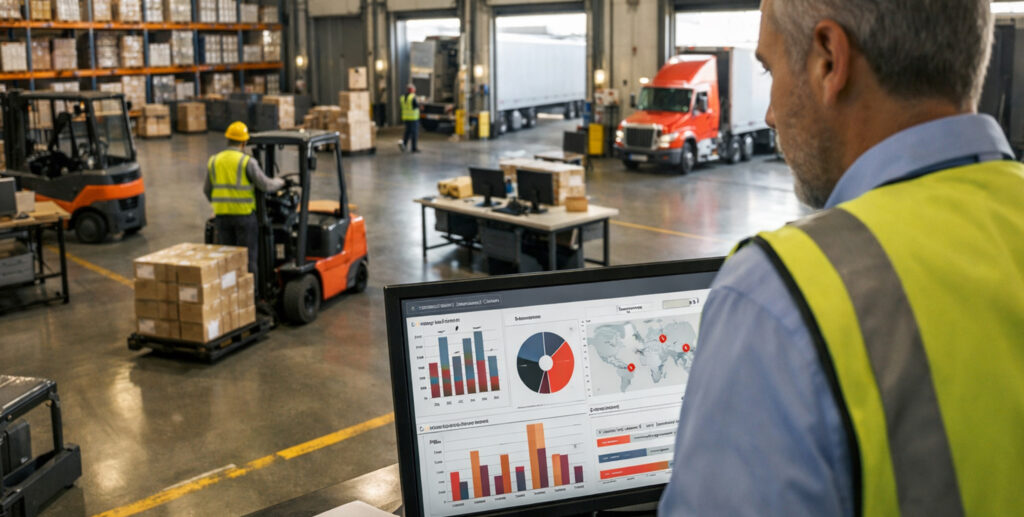
The U.S. supply chain faces a significant worker shortage as retirements accelerate, labor participation declines, and demand for skilled logistics talent continues to rise. Companies are struggling to fill roles in warehousing, transportation, procurement, and planning, creating operational bottlenecks and threatening long-term supply-chain resilience.
Why a Supply Chain Worker Shortage Is Emerging Now
The shortage is driven by a combination of demographic, economic, and technological factors that are converging at the same time.
- Retirements Are Surging
A large portion of the supply-chain workforce, especially in trucking, warehousing, and procurement, is over 55. As retirements accelerate, companies are losing:
- Institutional knowledge
- Operational expertise
- Experienced frontline workers
- Fewer Young Workers Are Entering the Field
Supply chain careers are not attracting enough new talent. Younger workers often gravitate toward:
- Tech
- Healthcare
- Remote-friendly roles
- Higher-visibility industries
This leaves logistics and manufacturing with a shrinking pipeline.
- Skills Requirements Are Increasing
Modern supply chains require workers who can operate:
- Automation systems
- Robotics
- Warehouse management software
- AI-driven planning tools
- Advanced transportation technologies
The skills gap is widening faster than companies can train.
- E-Commerce and On-Demand Delivery Are Expanding
Demand for logistics labor continues to grow, even as the available workforce shrinks.
Which Supply Chain Roles Are Most Impacted
Warehousing & Fulfillment
- Pickers
- Forklift operators
- Inventory specialists
- Automation technicians
Warehouses are struggling to maintain throughput with fewer workers.
Transportation & Trucking
The trucking industry already faces a long-standing driver shortage, now worsened by retirements and lifestyle preferences.
Procurement & Planning
Companies need more analysts and planners who can manage:
- Supplier risk
- Inventory optimization
- Demand forecasting
- Global sourcing
These roles require specialized skills that are in short supply.
Maintenance & Technical Support
As automation increases, demand for technicians who can maintain robotics and advanced equipment is rising sharply.
How the Worker Shortage Threatens Supply Chain Stability
- Slower Throughput and Longer Lead Times
Fewer workers mean slower processing, delayed shipments, and reduced capacity.
- Higher Labor Costs
Companies must offer:
- Higher wages
- Signing bonuses
- Retention incentives
This increases operational expenses.
- Increased Risk of Disruptions
Labor shortages amplify the impact of:
- Seasonal spikes
- Weather events
- Supplier delays
- Transportation bottlenecks
- Reduced Competitiveness
Companies unable to staff critical roles fall behind in speed, reliability, and customer service.
Industry Response: How Companies Are Trying to Fill the Gap
- Automation and Robotics Adoption
Companies are accelerating investment in:
- Autonomous mobile robots (AMRs)
- Automated storage and retrieval systems (AS/RS)
- Robotic picking
- AI-driven planning tools
Automation reduces reliance on manual labor but increases demand for technical skills.
- Upskilling and Workforce Development
Manufacturers and logistics firms are launching:
- Apprenticeships
- Certification programs
- On-the-job training
- Partnerships with community colleges
- Flexible Work Models
Companies are experimenting with:
- Shift flexibility
- Part-time roles
- Hybrid planning positions
- Gig-style logistics work
- Recruiting Nontraditional Talent Pools
Employers are targeting:
- Veterans
- Career changers
- Underrepresented groups
- Retirees seeking part-time work
What This Means for the Future of U.S. Supply Chains
- Automation Will Accelerate
Labor shortages will push companies toward robotics and AI faster than expected.
- Workforce Strategy Becomes a Core Competency
Companies that invest in training and retention will outperform competitors.
- Supply Chain Jobs Will Become More Technical
Roles will shift from manual labor to:
- Systems operation
- Data analysis
- Robotics maintenance
- Digital planning
- Long-Term Resilience Depends on Talent
Technology alone cannot solve the shortage; companies must build sustainable workforce pipelines.
Key Takeaways
- A major supply-chain worker shortage is emerging across warehousing, transportation, procurement, and planning.
- Retirements, low labor participation, and rising skills requirements are driving the gap.
- The shortage threatens throughput, reliability, and long-term supply-chain resilience.
- Companies are responding with automation, upskilling, flexible work models, and new recruiting strategies.
- Workforce development will be a defining competitive advantage for supply chains over the next decade.
FAQ
Why is the supply-chain worker shortage happening?
Retirements, fewer young workers entering the field, rising skills requirements, and growing logistics demand.
Which roles are most affected?
Warehousing, trucking, procurement, planning, and technical maintenance.
How will companies respond?
Through automation, workforce development, flexible work models, and expanded recruiting.
Is this a short-term issue?
No, demographic trends suggest the shortage will persist without major workforce investment.
 Spotify
 Apple Podcasts
 Podbean
 YouTube
 Spotify
 Apple Podcasts
 Podbean
 YouTube