
The ripple effects of the conflict involving Iran are starting to show up far beyond the battlefield. What might seem like a regional crisis is quickly turning into a global economic pressure point, especially for industries that depend heavily on energy and raw materials.
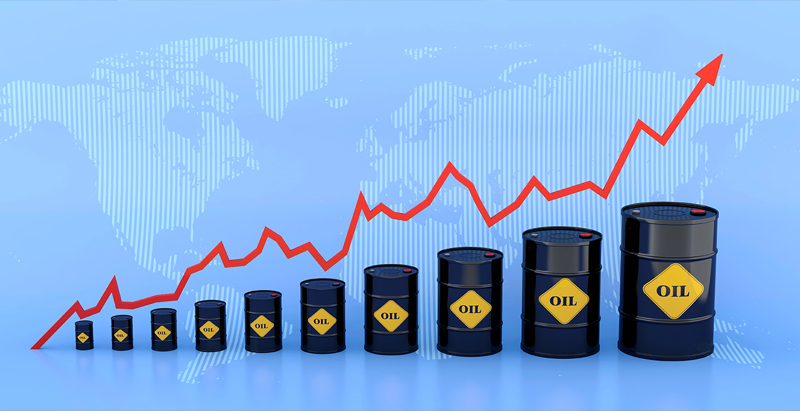
At the center of it all is oil. Prices have been swinging wildly, hovering around $100 per barrel, and even that “lower” range is enough to cause concern. For perspective, the last time oil sat at these levels was in 2022, when Russia’s invasion of Ukraine triggered a global energy shock. Now, with tensions disrupting key routes like the Strait of Hormuz, there’s renewed fear of supply bottlenecks. Roughly 20% of the world’s oil passes through that narrow waterway, so any disruption there doesn’t stay local for long.
Oil isn’t just about gasoline at the pump. It’s deeply embedded in how modern economies function. Manufacturing, for example, relies on oil and gas not only for energy but also as the foundation for countless materials like plastics, synthetic fibers, adhesives, and industrial chemicals. When oil prices climb, those costs spread quickly through supply chains.
We’re already seeing that happen. Shipping costs are rising as fuel gets more expensive, and companies are scrambling to adjust. One major shipping firm reported an extra $40 million to $50 million in weekly operating costs due to disruptions in the Middle East. Even the U.S. Postal Service, which rarely makes sudden pricing moves, introduced an 8% surcharge on some deliveries to offset transportation expenses.
Chemical companies are among the first to feel the squeeze, and they’re passing it along. Some have raised prices multiple times in just a few weeks. Others are increasing costs by 30%, 50%, or more, depending on the product. These chemicals are essential inputs for everything from cleaning supplies to tires, so the impact doesn’t stop there.
Then there are unexpected knock-on effects. A strike that halted production at a major natural gas facility in Qatar has reduced helium supplies. That might sound niche, but helium is critical for manufacturing processes like welding and semiconductor production. Some companies are now warning customers they’ll only receive up to half of their usual supply, along with added surcharges.
This kind of pressure creates a chain reaction. Businesses that rely on these materials are now raising their own prices to keep up. One company that provides cleaning and water treatment solutions has already introduced a global surcharge of 10% to 14%, citing rising energy, labor, and freight costs all hitting at once.
At a certain point, though, there’s a limit to how much can be passed on. Over the past few years, businesses have already dealt with pandemic disruptions, labor shortages, higher insurance costs, and increased tariffs. Many have raised prices repeatedly, and consumers are starting to push back.
Data backs that up. Even before this latest conflict, U.S. manufacturing input costs were rising at their fastest pace since 2022. Surveys show that companies are now facing longer delivery times and weaker demand as higher prices and uncertainty take a toll. In fact, economists note that when energy prices spike, consumer spending often slows within months, as households redirect more of their income toward essentials like fuel and utilities.
That uncertainty is especially damaging right now because the industrial economy was just beginning to recover. After a sluggish period marked by trade tensions and cautious spending, companies were slowly starting to invest again. Now, many are hitting pause.
Large-scale projects, like investments exceeding $1 billion, are still moving forward. But outside of those megaprojects, construction and manufacturing activity have been declining. Smaller businesses are feeling it the most. Surveys show that rising healthcare and insurance costs were already their top concern, even before the latest spike in energy prices.
The airline industry offers a clear example of how companies are adapting. While travel demand has been strong, rising fuel costs are forcing airlines to rethink their schedules. Some are cutting less profitable routes, especially flights that can’t cover the higher cost of fuel. Ticket prices have already jumped by 15% to 20% in recent weeks, and that may not be the end of it.
Historically, sharp increases in oil prices have often preceded economic slowdowns or recessions. Analysts now warn that if oil were to climb toward $150 or even $200 per barrel, the impact could be severe, affecting everything from inflation to employment.
All of this highlights a simple reality. In today’s interconnected economy, a disruption in one region can quickly cascade across the globe. What starts as a geopolitical conflict can end up influencing the price of everyday goods, the pace of business investment, and even the strength of economic recovery.
And right now, much of that hinges on one unpredictable factor: how long the instability in global energy markets continues.
 Spotify
 Apple Podcasts
 Podbean
 YouTube