
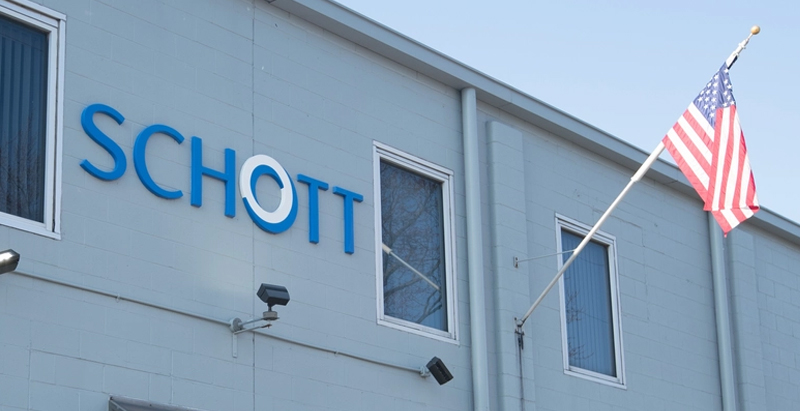
In the heart of Vincennes, Indiana, there’s a factory that’s been quietly beating the odds for more than three decades. The Schott Ceran plant isn’t flashy, but for this small town it’s dependable a steady employer and a reminder that manufacturing in the U.S. still has life when companies invest in people and purpose.
Nationwide, manufacturing jobs have been shrinking. By the end of 2025, the U.S. had lost 108,000 manufacturing jobs compared with the year before, marking the third straight year of job losses in the sector. There were also 403,000 manufacturing job openings in late 2025, a sign of uneven demand and supply in the labor market. Despite this decline and frequent political promises about bringing jobs back, small manufacturers like Schott Ceran are proving success looks different than headline-grabbing announcements.
“At our plant, we focus on what we do best,” a manager at the Vincennes site explains. “We’re not the cheapest, but we’re consistent, we innovate, and people take pride in their work.”
Specialization Over Cost-Cutting
One big reason Schott Ceran has lasted is specialization. The Vincennes factory makes advanced glass-ceramic panels for cooktops the kind designed originally for spacecraft heat shields, a product that’s tough to replicate cheaply overseas.
That kind of niche expertise matters in today’s economy. While many factories have shuttered or reduced staff, those with highly specialized, hard-to-outsourced products tend to hold steady. “When a company tries to compete solely on price, eventually someone else can do it cheaper,” says industry consultant Michael Macchi. “Focus on reliability and craftsmanship, and customers stick with you.”
Investing in People Pays Off
At Schott Ceran, employee training and safety aren’t side projects; they’re core to the business. Investments in skills and stability have strengthened retention and craftsmanship, helping the plant produce consistently high-quality parts.
That’s an important lesson in a sector where the workforce is increasingly hard to find. Across industries like automotive and manufacturing, companies are struggling to recruit skilled labor. Ford’s CEO recently lamented that they couldn’t fill 5,000 technician jobs paying up to $120,000 a year, a sign that labor shortages in trades aren’t limited to one factory or state.
Manufacturing’s Mixed Reality
While Schott Ceran’s story is encouraging, it sits against broader headwinds. U.S. factory employment has been on a downtrend for decades down sharply since the late 1970s and still fragile today. Tariffs and trade policy, intended to boost domestic production, have had mixed results; some economists say they’ve raised costs for manufacturers and contributed to job losses rather than gains.
And even as some states see modest gains like Louisiana’s recent growth in manufacturing employment the national picture remains uneven.
Small Town, Big Lessons
So, what can other communities learn from a small Indiana town?
People first. Invest in real skills, not just headlines.
Innovation matters. Finding a product niche that can compete globally helps anchor jobs locally.
And craftsmanship isn’t obsolete it’s a differentiator.
As one Vincennes worker put it, “We’re proud of what we make, and that pride keeps us coming back even when things get tough.”
 Spotify
 Apple Podcasts
 Podbean
 YouTube