
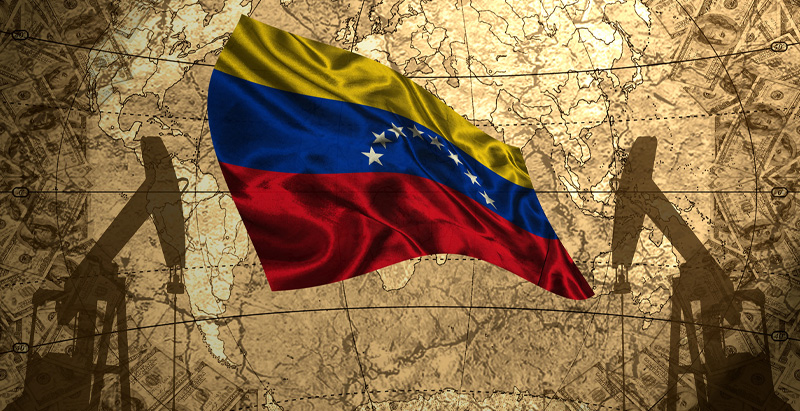
When you hear people talk about Venezuela and energy today, it often sounds like a story stuck between two timelines: what Venezuela once was and what it might become again. This matters not just for Caracas, but for industries far beyond its borders, including the manufacturing sector in the United States.
For decades, Venezuela sat among the world’s energy giants. The country sits on some of the largest proven oil reserves on the planet, much of it heavy, dense crude from places like the Orinoco Belt. That crude isn’t easy oil to extract or refine, but Gulf Coast U.S. refineries have historically been built for that very job. They turn heavy, high-sulfur crude into diesel, jet fuel, and feedstocks for plastics and chemicals, which are essential inputs for U.S. manufacturers.
Why Venezuela Isn’t a Quick Fix for Energy or Manufacturing
In the short term, meaning the coming year or so, increased Venezuelan natural gas and oil production isn’t likely to move the needle for U.S. manufacturers. That’s partly because Venezuela’s energy infrastructure isn’t merely idle; it’s deteriorated. Years of underinvestment, mismanagement, and sanctions have left pipelines, refineries, and storage facilities in poor condition. Reuters and other outlets describe corrosion, shutdown units, and crumbling facilities that would take tens of billions of dollars and many years to fix.
Complicating matters, the U.S. government’s recent actions, including a blockade of tankers and military strikes that resulted in the removal of President Nicolás Maduro, have disrupted exports and squeezed Venezuela’s already limited crude shipments to the U.S. market. A U.S. naval blockade has even driven tanker operators to avoid Venezuelan shipments, leaving storage tanks to fill up and forcing shutdowns of wells in key areas, such as the Orinoco Belt.
Even with bold political talk about sending American oil companies back into Venezuela to “fix” the sector, most executives have been cautious. Firms like TotalEnergies say returning isn’t a top priority. ExxonMobil executives have described the country as “uninvestable” due to the absence of legal and contractual reforms. Estimates from industry watchers put the cost of restoring output to something close to former levels at $100 billion or more, and that’s before you even start dealing with the technical challenge of sour, heavy crude.
On offshore drilling specifically, fields like Corocoro in the Gulf of Paria once showed promise but have been sidelined by sanctions, revoked permits, and a lack of investment. That kind of offshore potential won’t just switch back on; it would require legal stability, capital, and decades of development.
So What Does This Mean for U.S. Manufacturing?
Here’s where the story twists from why nothing big will happen immediately to what might happen if Venezuela’s energy comeback materializes.
- Energy Costs Could Stabilize Slowly
If in the long term (think years to decades) Venezuela manages to restore a stable and growing output of oil and gas, that adds supply to global markets. More global supply tends to dampen price volatility. For U.S. manufacturers, lower and more stable energy prices mean lower operational costs; everything from electricity to freight to petrochemical feedstocks would be easier to budget for. Markets with plentiful energy tend to be more competitive. - Gulf Coast Refiners Could Benefit
Heavy Venezuelan crude is a good fit for certain U.S. refineries. If that crude flows reliably, these refiners can run closer to full capacity, potentially cutting feedstock costs and improving margins. That matters because those refiners supply diesel and other products critical to manufacturing supply chains. This is one reason investors reacted strongly when news broke of potential easier access to Venezuela’s reserves; U.S. energy stocks climbed sharply on the prospects of restored Venezuelan output. - U.S. Energy Services, Drill Bits, and Expertise Could See Demand
A true revival of Venezuela’s sector would require more than money; it would need technology, expertise, service companies, and equipment. U.S. oilfield service firms and engineering companies could find new customers if Venezuela opens its doors to outside investment. That means jobs and export opportunities for U.S. firms that supply drilling rigs, pipeline services, and offshore expertise. - But nothing is guaranteed
Political and legal uncertainty remains enormous. Arbitration claims, unresolved lawsuits, and unpredictable regulatory changes have scared off many investors for years. Some companies are watching but not committing. That hesitation reflects real risk and means Venezuela won’t magically turbocharge global supply overnight.
The Bottom Line
In the short term, the next year or so, no matter how much talk there is about Venezuela’s oil and gas, U.S. manufacturing probably won’t see a big shift. Venezuela’s energy sector needs massive investment, legal certainty, and time to repair decrepit infrastructure. Energy markets today are also flush with supply, reducing immediate pressure to tap risky sources.
In the longer term, over years to decades, a more stable Venezuelan oil and possibly gas output could help lower and stabilize energy costs, benefit U.S. refiners, and create new business for American energy services. That, in turn, could ripple into the broader manufacturing sector by easing input costs and smoothing supply chains. But it’s a slow arc, not a quick lever, and it hinges on political, economic, and legal shifts that are still very much in flux.
 Spotify
 Apple Podcasts
 Podbean
 YouTube