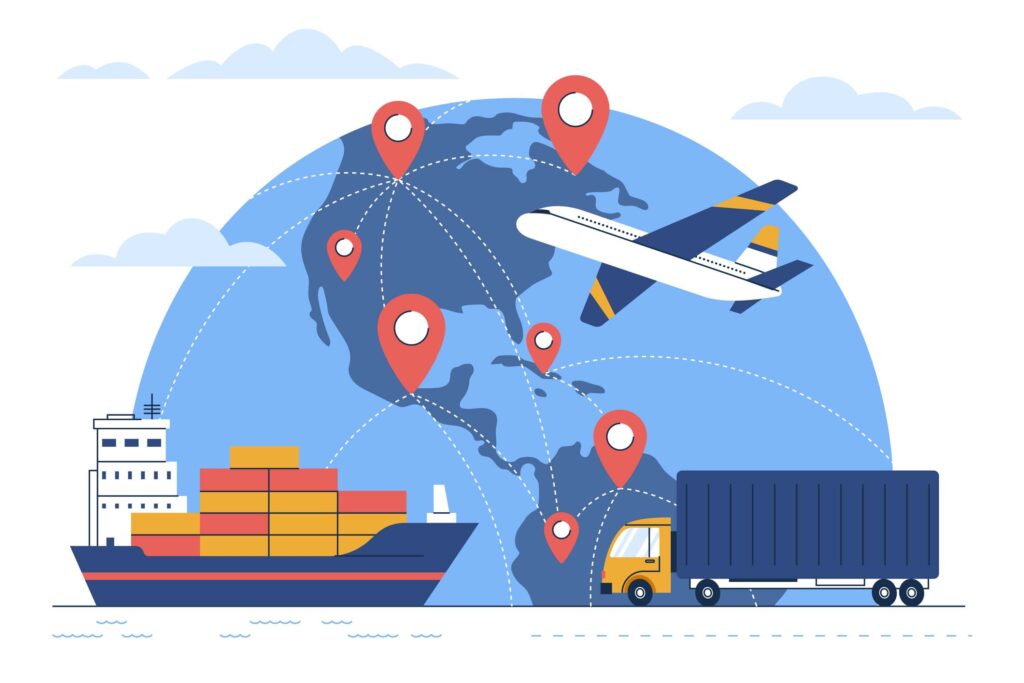
COVID-19 exposed the fragility of global supply chains. A McKinsey study from 2022 estimated that supply chain disruptions now cost the average manufacturer 45% of a year’s EBITDA over a decade. A single factory shutdown in Asia can paralyze operations in the U.S. It wasn’t just a wake-up call—it was a five-alarm fire.
The new priority? Resilience. That means more than dual sourcing. It means building supply chains that sense, react, and adapt in real time. Digital twin technology, as used by Schneider Electric, can reduce lead time forecasting errors by up to 30%. Flex, another industry leader, reported a 20% improvement in on-time delivery through AI-enhanced visibility tools.
Geography is also changing. According to Kearney’s 2023 Reshoring Index, U.S. imports from low-cost Asian countries declined by 15%, while nearshoring from Mexico and Canada rose steadily. Additive manufacturing is expanding localized production. In 2023, North America saw a 26% growth in industrial 3D printing, driven by demand for spare parts and tooling near the point of use.
Government policy is also playing a larger role. The U.S. CHIPS and Science Act, the Inflation Reduction Act, and the Infrastructure Investment and Jobs Act have allocated hundreds of billions toward domestic production and logistics. These investments are starting to rebuild critical infrastructure and improve freight efficiency.
Digitization is central to the shift. A 2023 PwC report showed that digital supply chains can increase efficiency by 20% and reduce lost sales due to stockouts by 30%. Platforms like SAP Integrated Business Planning and Kinaxis are being widely adopted for demand forecasting, scenario analysis, and synchronized planning.
To make the most of this transformation, firms must upskill supply chain teams and integrate sustainability goals into logistics strategies. The most advanced organizations are not just building resilient supply chains, they’re building responsible ones, using lifecycle emissions tracking and ethical sourcing as key metrics.
The future belongs to manufacturers who see disruption not as a setback, but as a catalyst. Supply Chain 2.0 isn’t just a trend—it’s a necessity.
 Spotify
 Apple Podcasts
 Podbean
 YouTube