
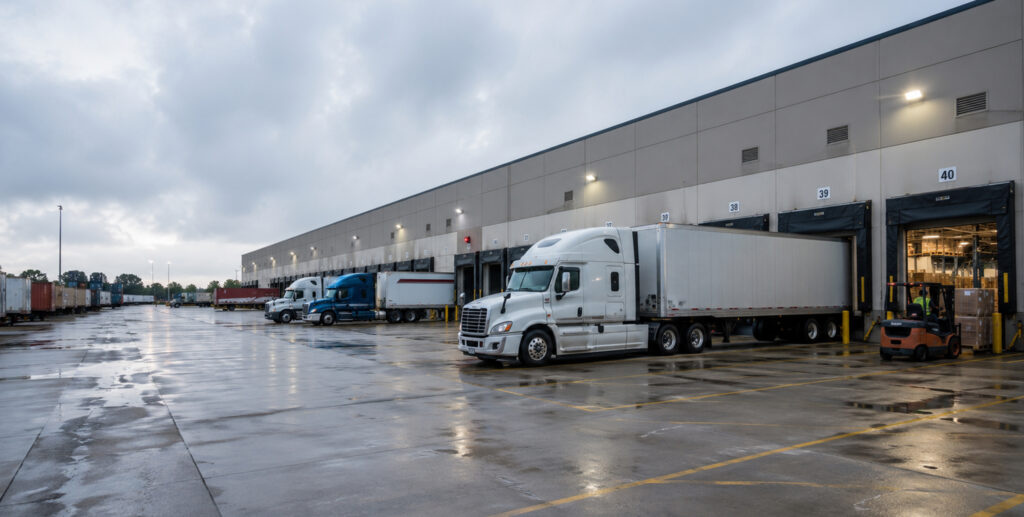
The American Trucking Associations’ Truck Tonnage Index fell 2% in May, reflecting weaker freight volumes across key sectors. The decline suggests continued softness in goods movement, driven by slower manufacturing output, cautious consumer spending, and ongoing inventory normalization.
Why Truck Tonnage Declined in May
The trucking industry is a real-time indicator of U.S. economic activity. When freight volumes fall, it often signals cooling demand in manufacturing, retail, and construction.
According to MH&L’s report, several factors contributed to the 2% drop:
- Manufacturing Slowdown
Lower output in durable goods, metals, machinery, and industrial equipment reduced freight demand.
- Inventory Normalization
After years of volatility, companies are keeping leaner inventories, meaning fewer inbound and outbound shipments.
- Softer Consumer Goods Movement
Demand for big-ticket items and discretionary goods remains uneven, reducing truckload volumes.
- Housing and Construction Moderation
Higher interest rates continue to weigh on construction activity, impacting shipments of building materials.
- Modal Shifts and Competitive Pressure
Some freight is shifting to intermodal or regional carriers as shippers seek lower costs.
What the Decline Means for the Freight Market
The 2% drop is part of a broader trend: freight markets remain soft, even as certain sectors show signs of stabilization.
- Contract Rates Under Pressure
Lower volumes mean carriers face:
- Rate compression
- Increased competition
- Reduced bargaining power
- Spot Market Remains Weak
Spot rates continue to lag due to excess capacity and subdued demand.
- Carrier Financial Stress
Small and mid-sized carriers are feeling the squeeze from:
- Lower rates
- Higher insurance costs
- Elevated fuel prices
- Tight margins
- Shippers Maintain Advantage
With capacity still abundant, shippers retain pricing leverage.
Industry Context: A Freight Market Searching for Balance
The trucking sector has been in a prolonged downturn since mid-2022. While some indicators show improvement, such as rising service-sector activity and stronger automotive production, freight demand tied to goods movement remains soft.
Key trends shaping the market:
- Manufacturing Is Stabilizing, Not Surging
Output is no longer falling sharply, but growth remains modest.
- Retail Inventories Are Lean
Retailers are avoiding overstocking, reducing freight volatility.
- E-Commerce Growth Is Steady but Not Explosive
Parcel volumes are stable, but not enough to offset declines in heavy freight.
- Capacity Remains Elevated
Carrier exits have increased, but not enough to tighten the market.
What This Means for Carriers, Shippers, and the Supply Chain
For Carriers:
- Expect continued rate pressure
- Focus on cost control and efficiency
- Diversify into dedicated or regional contracts
- Invest in fuel-efficient equipment and automation
For Shippers:
- Favorable pricing conditions persist
- More reliable capacity availability
- Opportunities to renegotiate contracts
For the Broader Supply Chain:
- Freight softness reflects cooling goods demand
- Logistics networks remain stable and predictable
- Inventory strategies continue to prioritize efficiency
Key Takeaways
- The Truck Tonnage Index fell 2% in May, signaling weaker freight demand.
- Manufacturing softness, inventory normalization, and cautious consumer spending contributed to the decline.
- Freight markets remain loose, with abundant capacity and rate pressure on carriers.
- Shippers continue to benefit from favorable pricing and reliable capacity.
- The trucking sector is stabilizing but has not yet entered a sustained recovery.
FAQ
Why did truck tonnage fall in May?
Weaker manufacturing output, leaner inventories, and softer consumer goods movement reduced freight volumes.
Is this part of a larger trend?
Yes, freight markets have been soft for more than a year, though some sectors are stabilizing.
How does this affect carriers?
Lower volumes mean rate pressure, tighter margins, and increased financial stress for smaller carriers.
Will freight demand rebound soon?
A recovery depends on manufacturing growth, consumer spending, and inventory restocking, none of which have fully accelerated yet.
 Spotify
 Apple Podcasts
 Podbean
 YouTube
 Spotify
 Apple Podcasts
 Podbean
 YouTube