
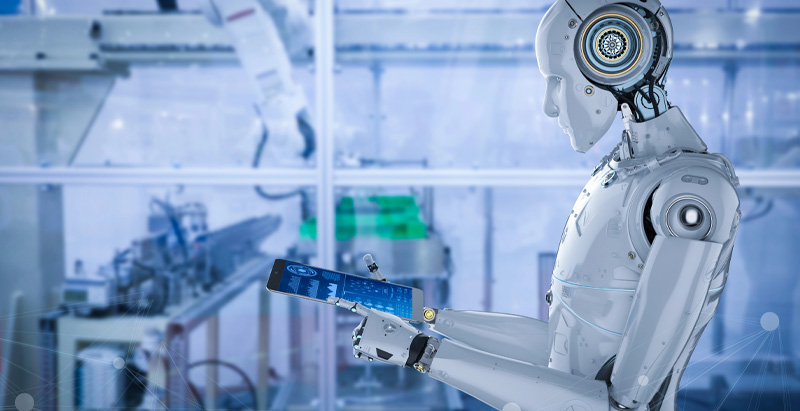
You’ve probably heard manufacturers talk about automation, but there’s a new player taking center stage: Agentic AI. This isn’t just another buzzword. It’s a step beyond basic automation, a kind of artificial intelligence that can think, adapt, and act on its own across the factory floor.
Right now, companies like BMW are already using AI vision systems to spot tiny defects on their assembly lines. These systems have boosted quality and reduced mistakes in real time on high-speed production lines. What’s more eye-opening is this: the global market for AI in manufacturing is projected to skyrocket from around $8.6 billion in 2025 to nearly $231 billion by 2034 — that’s an average growth of over 44% a year.
So what makes agentic AI different? Traditional automation works on fixed rules; it does one job over and over the same way. Agentic AI, on the other hand, reads real-time data and adapts on the fly. Think of it as giving machines a bit of decision-making power. Instead of waiting for human input, these systems can shift schedules when materials are delayed, steer tasks to keep production flowing, and even reorder parts before a machine breaks down. That’s predictive maintenance in action, and research suggests it can reduce unplanned downtime by up to about 30%.
On the ground, this looks like a factory that’s more resilient and flexible. For example, AI-driven scheduling tools are already being used in electronics plants to adjust production when deliveries or demand change unexpectedly. Some automotive plants use AI to check quality instantly. Tesla’s system, for instance, spots defects up to 50% faster than a human inspector.
Agentic AI also plays well with other emerging tech. The rise of IoT sensors measuring everything from vibration and torque to pressure feeds massive data streams that these intelligent agents use to make split-second choices without waiting on the cloud. And it isn’t limited to machines: warehousing and logistics operations powered by agentic systems can improve material flow and cut handling delays. One major fulfillment operator reports roughly 20% productivity gains after deploying such robotics systems.
But smart factories aren’t just about cutting costs. They help tackle real challenges manufacturers face today: labor shortages, rising operating costs, and the need for plants that can quickly shift production when markets change. As machines take on more of the repetitive, heavy work, human workers are freed up for planning, oversight, engineering, and more complex problem-solving.
There’s still plenty of work ahead. Building the infrastructure, aligning AI decisions with human goals, and managing data security are real hurdles. But one thing’s clear: Agentic AI isn’t a distant idea; it’s already reshaping manufacturing. The factories of tomorrow won’t just run faster; they’ll think smarter.
 Spotify
 Apple Podcasts
 Podbean
 YouTube