U.S. consumer sentiment has officially fallen off a cliff, plunging to a record-low 44.8 in the University of Michigan’s final May reading, a number so bleak it undercuts the darkest moments of the Great Financial Crisis, the COVID-19 shutdown, and even the early 1980s stagflation era. It’s the kind of reading that makes economists stop mid-sentence, because it signals something deeper than a bad month or a rough patch. It signals a country that feels financially squeezed, emotionally drained, and increasingly unsure about what comes next.
According to survey director Joanne Hsu, the sudden collapse in confidence can be traced directly to the turmoil unfolding in the Strait of Hormuz, where supply disruptions triggered by the Iran conflict itself, sparked by U.S. and Israeli strikes on February 28, have sent shockwaves through global energy markets. Oil prices jumped almost immediately, and gasoline followed. Americans felt it instantly. In fact, 57 percent of survey respondents said rising gas prices were actively hurting their finances, a reminder that fuel costs remain the most visible, emotionally charged price in the entire economy. As one analyst told Reuters, “Gas prices shape how people feel about everything else.”
That pain at the pump is feeding into something even more concerning: rising inflation expectations. The survey shows Americans now expect 4.8% inflation over the next year and 3.9% over the long term, both well above the Federal Reserve’s comfort zone. Economists worry about these numbers because expectations can become self-fulfilling. When people believe prices will keep rising, they adjust their behavior in ways that can actually push prices higher. It’s a psychological loop that policymakers dread.
But the story doesn’t end with economics. It’s also political, and the divide is widening. The survey found that independents and Republicans reported the steepest declines in sentiment, a trend echoed across Gallup, Pew, and Ipsos polling. And while every poll should be interpreted carefully and confirmed through trusted, nonpartisan sources, the broader pattern is unmistakable: Americans across the political spectrum are uneasy, frustrated, and bracing for more volatility as November approaches. A viral chart circulating on social media, including the MeidasTouch post you referenced, captures the moment perfectly, showing sentiment plunging below every major crisis of the last half-century. It’s dramatic, but it reflects exactly what the data shows.
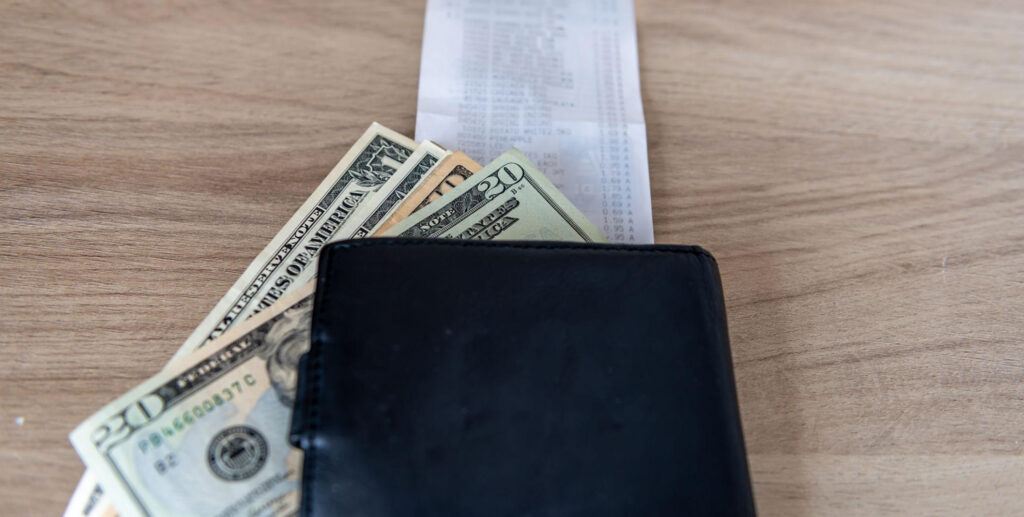
What makes this moment so strange is that the economy, on paper, isn’t collapsing. Unemployment is hovering near 4%, wages are still rising, manufacturing investment remains strong, and consumer spending hasn’t cratered. But people don’t live inside spreadsheets. They live in grocery aisles, gas stations, rent markets, and medical billing portals. And those feel expensive. A Bankrate survey found that 60 percent of Americans say their income isn’t keeping up with rising costs. The Federal Reserve’s own research shows that nearly 40 percent of adults would struggle to cover a $400 emergency. So even without a recession, the experience of the economy feels strained, unstable, and exhausting.
That’s why the sentiment reading of 44.8 matters. It’s not just a number. It’s a reflection of how Americans feel about their financial lives right now: squeezed by prices, rattled by global conflict, uncertain about the future, and increasingly skeptical that relief is coming anytime soon. As one economist told Bloomberg, “Sentiment collapses quickly when people feel like the world is spinning out of control.” And right now, that’s exactly how it feels for millions of households.
Whether this is a temporary shock or the beginning of a deeper shift in national mood will depend on what happens next in global energy markets, in inflation trends, and in the political climate that’s shaping so much of how Americans interpret the economy. But one thing is clear: the country is anxious, and the data finally reflects it.
 Spotify
 Apple Podcasts
 Podbean
 YouTube