

After more than six weeks of silence, the Department of Labor is finally releasing the September jobs report. The long delay came from the 43-day federal shutdown, which froze most economic data for almost two months. During that stretch, agencies like the Bureau of Labor Statistics and the Bureau of Economic Analysis simply couldn’t publish their usual reports. That left everyone from policymakers to business owners guessing about what was happening in the economy.
The shutdown created what many analysts called a “data drought.” Weekly unemployment-claims reports vanished for seven straight weeks. Inflation numbers, GDP figures, and labor-market data were pushed off schedule. The only exception was the September consumer price index, which was released nine days late because it was needed to calculate Social Security cost-of-living increases. Everything else sat untouched.
Because of that blackout, the Federal Reserve has been operating with limited visibility. Without fresh data on hiring, unemployment, and spending, the Fed has had a harder time gauging whether the economy is cooling off, heating up, or simply drifting sideways. Decisions around interest rates depend heavily on those numbers, so the silence created extra uncertainty at a time when clarity was already in short supply.
Now that the September jobs report is finally landing, we can start piecing the picture back together. Forecasters expected around 65,000 new jobs and an unemployment rate of 4.3 percent. The actual numbers came in stronger on hiring but softer on unemployment. Employers added 119,000 jobs, while unemployment rose to 4.4 percent. The first chart below shows the latest payroll gain compared with prior months, giving a clearer picture of where the job market really stands after the long delay.
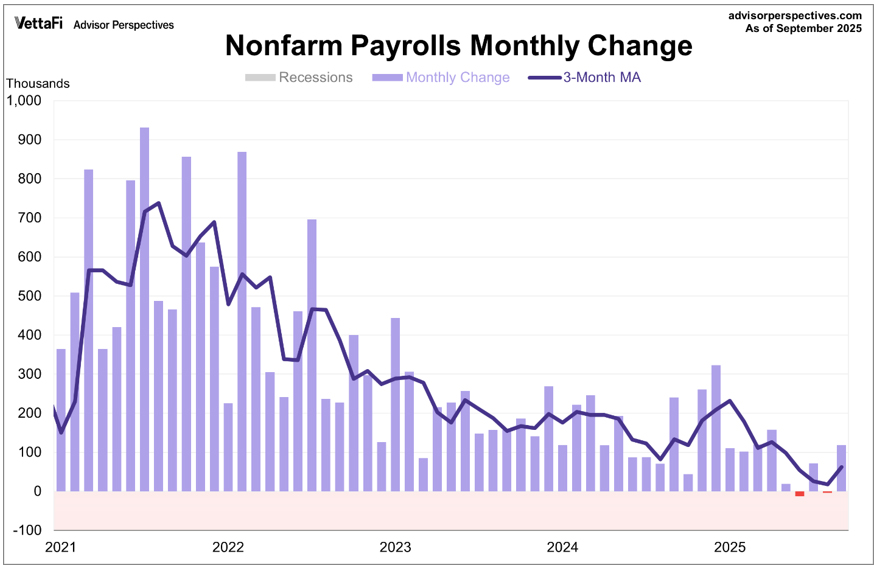
The story gets a little more complicated when you dig into the revisions. August’s numbers were re-evaluated and came in negatively. What was originally reported as a gain of 22,000 jobs was revised to a loss of about 4,000 jobs. July’s numbers were also revised downward. When you look at trend charts that track month-by-month changes, you can see how the summer was weaker than the early reports made it seem. It wasn’t collapsing, but it also wasn’t building much momentum.
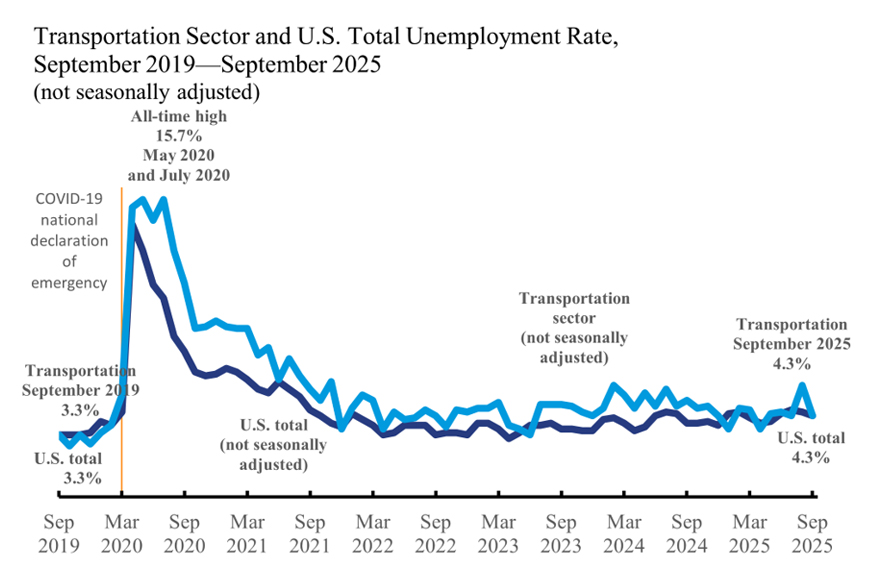
Even with the new jobs added in September, the unemployment rate still rose. That usually means more people are re-entering the workforce and starting to look for jobs. So the labor market isn’t falling apart, but it’s not running hot either. It’s somewhere in between. The chart below shows the unemployment trend alongside broader sector data, and the uptick in September stands out clearly.
And the data gaps aren’t over yet. The BLS won’t release a standard unemployment figure for October because the household survey wasn’t collected during the shutdown. That means we’ll have to wait until mid-December for a full update. The chart below captures the impact of the shutdown on the flow of economic data, which helps explain why the recent numbers feel a little disjointed.
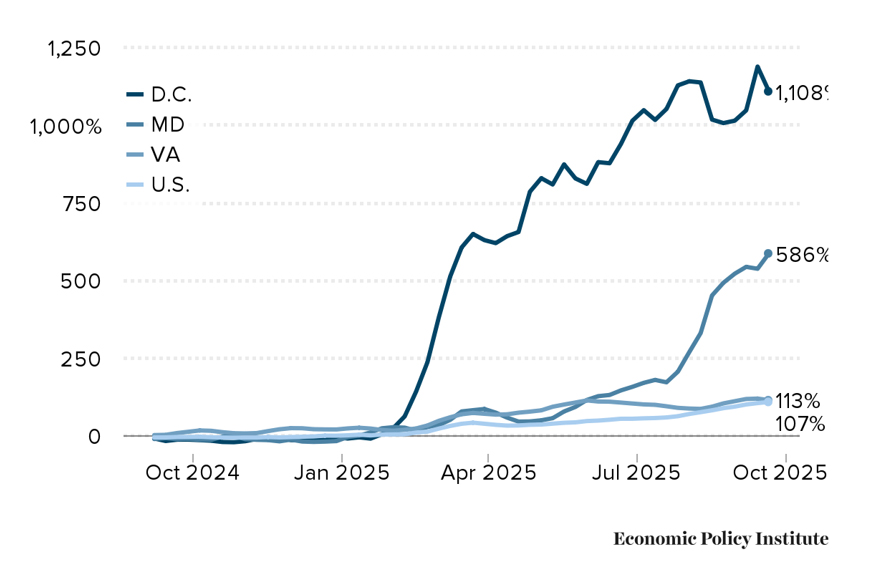
The release of the September report gives the country its first real look at the labor market since before the shutdown. The numbers aren’t disastrous, but the revisions and the rise in unemployment show that the slowdown that started over the summer is still hanging around. After weeks of silence, the charts help round out the story: the job market is still growing, just not fast enough to signal a strong rebound. With several data points still missing, the Fed and the markets will be watching the next wave of reports closely.
 Spotify
 Apple Podcasts
 Podbean
 YouTube