Novelis just gave the auto industry a much-needed breather. After a major fire shut down its hot-rolling aluminum mill in Oswego, New York, in mid-September, the company now says the facility will be back online by the end of December, earlier than the original estimate of early 2026. That’s a big deal. This one plant produces roughly 40% of the automotive aluminum sheet used in the U.S., making it a critical supplier to the country’s biggest carmakers. When it went offline, the ripple effects hit fast and hard.
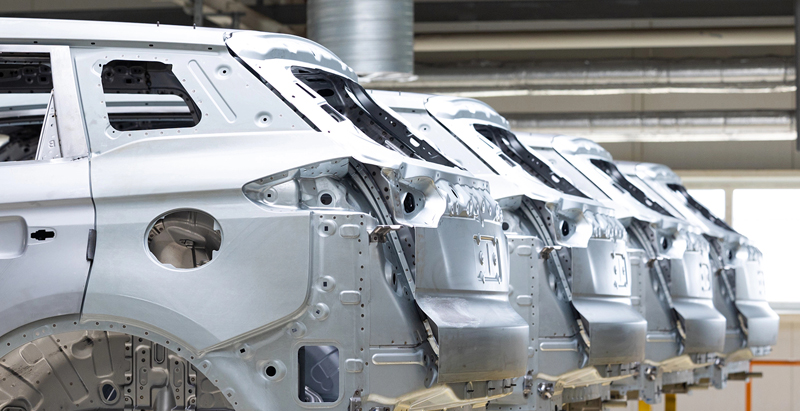
The scale of the outage was significant. Analysts estimated that the lost production during the fourth quarter alone could top 50,000 metric tons of automotive-grade aluminum sheet. This isn’t just bulk metal; this is specialized material engineered for body panels, structural components, and closure systems. It’s a core ingredient in lightweight vehicle design, especially as the industry shifts toward fuel efficiency and EV performance. You can’t just sub in generic aluminum from another mill. These alloys need to meet specific strength, corrosion resistance, and formability standards. They also have to be compatible with high-speed stamping and joining processes. That level of precision limits how quickly and where you can find a replacement.
Ford took a direct hit. The company relies heavily on aluminum for its flagship F-150, which features an aluminum-intensive body and bed. Without a steady supply of qualified material, Ford had to scale back production and revise its financial forecast. It now expects a $1.5 billion to $2 billion hit to its earnings due to the disruption. Other automakers like General Motors, Toyota, and Stellantis also reported being affected, though Ford’s exposure was the most severe due to its deeper integration of aluminum across vehicle lines.
Swapping in other suppliers wasn’t a quick fix. While North America technically has spare aluminum rolling capacity, most of it isn’t geared for the exact alloys or dimensions needed for automotive sheet. Even if some domestic mills could take on the volume, retooling or requalifying products for auto applications is costly and time-consuming. Importing aluminum sheets from abroad also proved tricky. High U.S. tariffs some as steep as 50%, make foreign sheet less viable both financially and logistically. That left many OEMs caught in a bind, scrambling to reshuffle production schedules or look for temporary workarounds.
Novelis’ accelerated restart timeline is a rare win in what has been a tough year for automotive supply chains. The company deserves credit for mobilizing quickly, sourcing replacement parts, and coordinating with its global network to fill gaps where possible. Still, while the shortened downtime eases the pain, it doesn’t eliminate it. Automakers are still expected to face higher costs, tighter inventories, and continued uncertainty heading into Q1 2026.
This fire exposed more than a vulnerability, spotlighting how concentrated the supply of key materials has become. A single plant outage shouldn’t be able to upend a third of an industry’s supply chain. And yet, here we are. The situation raises big questions about risk management and resilience. Automakers and suppliers alike are now reassessing whether their sourcing strategies are too dependent on single sites. Some are considering more diversified supply models, dual sourcing, or holding additional buffer inventory. Others may invest in strategic partnerships to ensure backup production lines are available when things go wrong.
What also makes this story bigger than one fire is the long-term role of aluminum in the auto industry. As the shift toward EVs continues, the need for lightweight materials becomes more urgent. Aluminum plays a critical role in improving vehicle range and performance. Supply disruptions, especially when they affect recycled or closed-loop aluminum systems, can slow progress on sustainability targets. In fact, Novelis and many OEMs have built recycling systems that depend on steady, closed-loop flows of scrap. Interruptions like this force a temporary return to primary aluminum, which is more energy-intensive and expensive to produce.
The months ahead will be telling. One major question is whether Novelis can stick to its December restart target. Heavy industry rebuilds are notoriously complex, and delays are always a risk. Another question is pricing: with supply still tight and alternatives limited, automotive-grade aluminum sheet prices could rise, adding cost pressure on already strained vehicle margins. Automakers might have to prioritize which models get the limited material, potentially favoring high-margin trucks and SUVs over smaller, lower-priced vehicles.
There’s also the question of whether this will change how companies think about manufacturing risk overall. The fire at Oswego was unexpected, but its consequences were predictable. Companies with stronger risk management systems, those who model for these kinds of events and build in fallback options, will come out ahead. As one analyst put it, the firms that plan well during calm periods are the ones that gain market share when the storm hits.
In the end, the Novelis fire wasn’t just a one-off crisis. It was a wake-up call. A reminder that supply chains, especially for materials as specialized as automotive aluminum, aren’t as resilient as they need to be. The quick recovery is encouraging, but it won’t erase the underlying risk. If the industry doesn’t adapt by spreading out capacity, reducing single points of failure, and rethinking just-in-time strategies, it could be caught off guard again. And next time, the cost might be even higher.
 Spotify
 Apple Podcasts
 Podbean
 YouTube