Everyone in manufacturing knows the AI buzz: predictive maintenance, better quality control, smarter scheduling. But here’s the truth. If you’re only using AI for predictive maintenance, you’re barely scratching the surface.
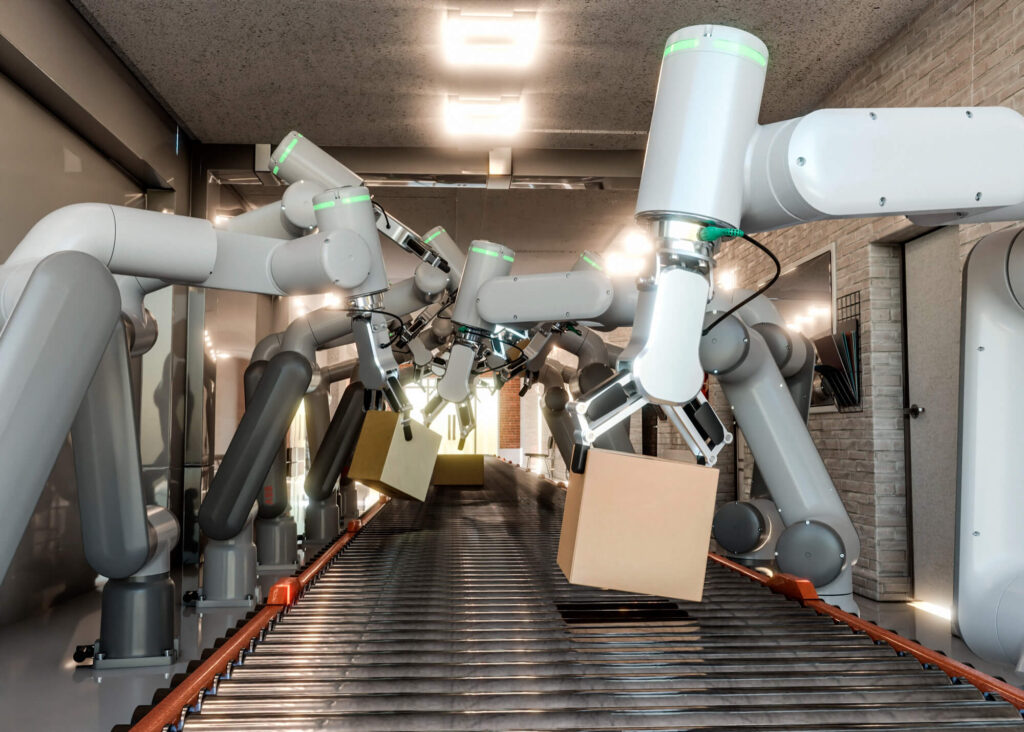
AI adoption in manufacturing is accelerating. According to a 2023 report by McKinsey, manufacturers that fully integrate AI can reduce conversion costs by up to 20% and improve forecast accuracy by up to 85%. Companies like Bosch and BMW are using AI to optimize design simulations, control robotic systems in real time, and train digital twins that mirror actual plant performance. These aren’t prototypes—they’re active systems saving time, reducing errors, and cutting costs. AI-powered visual inspection systems now outperform humans in speed and consistency, while adaptive control algorithms adjust machine settings on the fly to prevent defects.
The barrier is a mindset. Too many manufacturers treat AI as a bolt-on, not a core capability. A Deloitte 2023 survey found that only 26% of manufacturers have implemented AI beyond isolated use cases. But when AI is embedded into production, from raw material forecasting to quality assurance, it becomes a force multiplier. AI isn’t just about doing the same things better. It’s about doing different things entirely, including autonomous decision-making, adaptive process control, and hyper-personalized manufacturing.
To lead in this space, manufacturers must stop waiting for perfect solutions. They need to train their teams, integrate data across silos, and partner with tech firms that understand the industry. According to the World Economic Forum, over 60% of manufacturing leaders cite digital skill shortages as a key implementation barrier. Investment in high-quality data infrastructure, cybersecurity, and real-time analytics is critical. The real payoff will come when AI isn’t seen as a fix, but as a foundation.
One overlooked opportunity is AI’s role in sustainability. Smart energy management systems use machine learning to reduce consumption without affecting productivity. For example, one German auto manufacturer reported a 17% energy cost reduction by integrating AI into its heating, ventilation, and lighting systems. AI also powers environmental dashboards that let managers track emissions in real time, ensuring compliance and guiding investments.
Cross-industry collaboration is also growing. The AI Manufacturing Research Center (AIMRC) and industry consortia like CESMII are working to standardize data exchange, develop best practices, and reduce deployment costs. With the cost of AI tools decreasing and off-the-shelf solutions increasing, even small to mid-size firms can adopt what once seemed futuristic.
In summary, the competitive edge will belong to manufacturers who stop treating AI as a side project and instead embed it into their DNA. From predictive insights to autonomous action, AI is not just a tool—it’s the new language of the factory floor.
 Spotify
 Apple Podcasts
 Podbean
 YouTube