
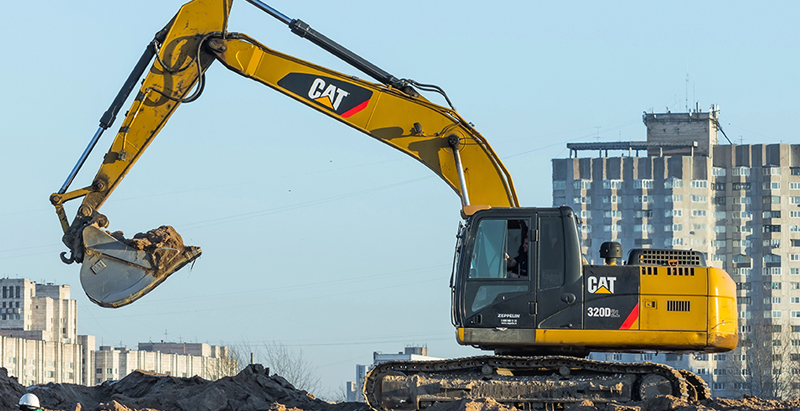
Caterpillar is making a bold move to shape the future of American manufacturing, and it’s not just about machines. The company has pledged $100 million over the next five years to invest in workforce training and skills development nationwide. It’s a long-term play aimed at building up the talent pool needed for modern manufacturing, think automation, advanced systems, and data-driven operations. The first state to benefit? Indiana. Caterpillar is committing up to $5 million to training initiatives there, starting with Lafayette, where the company is also pouring $725 million into expanding its large-engine manufacturing facility.
This expansion isn’t just about adding capacity; it’s about meeting the demands of a rapidly changing world. The Lafayette plant produces engines used in everything from data centers to backup power systems for critical infrastructure. As energy needs grow, especially with the rise of AI and digital infrastructure, Caterpillar wants to be ready, and it knows it can’t do that without skilled workers.
Caterpillar currently employs around 51,000 people in the U.S., including more than 4,100 in Indiana alone. That makes the state a natural choice for launching its workforce initiative. According to Jason Kaiser, who heads the company’s Energy & Transportation segment, the engines coming out of Lafayette will play a key role in powering next-generation needs. But without workers trained to build and maintain these complex systems, the entire operation risks falling short.
The investment is also a smart hedge against the growing skills gap in U.S. manufacturing. As older workers retire and technology evolves, companies like Caterpillar are facing a shortage of workers who are ready to step into advanced roles. This training program isn’t about filling low-wage, low-skill jobs. It’s about preparing people for high-quality, technically demanding roles that can offer long-term career stability.
Indiana Governor Eric Holcomb called Caterpillar’s investment a vote of confidence in the state’s business climate and workforce. And he’s not wrong, states across the country are competing to attract and retain manufacturers, and a strong, future-ready workforce is one of the biggest draws. Caterpillar’s investment sends a signal that they’re not just looking for short-term labor. They’re looking to build something sustainable for themselves and for the communities they’re part of.
That said, there are still questions. While the commitment is clear, the details on how the training will be rolled out, what specific skills will be taught, who’s eligible, and how long it will take to see results are still a bit vague. And while upskilling is crucial, it won’t solve every challenge facing the sector. Global competition, rising costs, and automation will still shape the landscape, regardless of how well-trained the workforce is.
Still, Caterpillar’s move is part of a bigger trend in U.S. manufacturing. Companies are realizing that investing in people is just as important as investing in technology. The factories of the future need operators, technicians, and engineers who can work with complex systems, and that takes serious training. Caterpillar is betting that the future of manufacturing will be built not just with steel and code, but with skilled hands and sharp minds. And with this investment, they’re making sure those people will be ready.
 Spotify
 Apple Podcasts
 Podbean
 YouTube
 Spotify
 Apple Podcasts
 Podbean
 YouTube